
8 Slightly Unusual Items We Use in Our Homeschooling Under $15
What if some of the best homeschooling tools aren’t sold in the school supply aisle? When you think about homeschool essentials, you probably picture textbooks, pencils, crayons, and notebooks. But over the years, I’ve found that some of our most valuable learning tools come from the most unexpected places. These 8 slightly unusual items we use in our homeschooling under $15, keep my kids engaged, encourage hands-on learning, and help our homeschool days run more smoothly. Here are the surprising items we reach for again and again—and exactly how we use them.
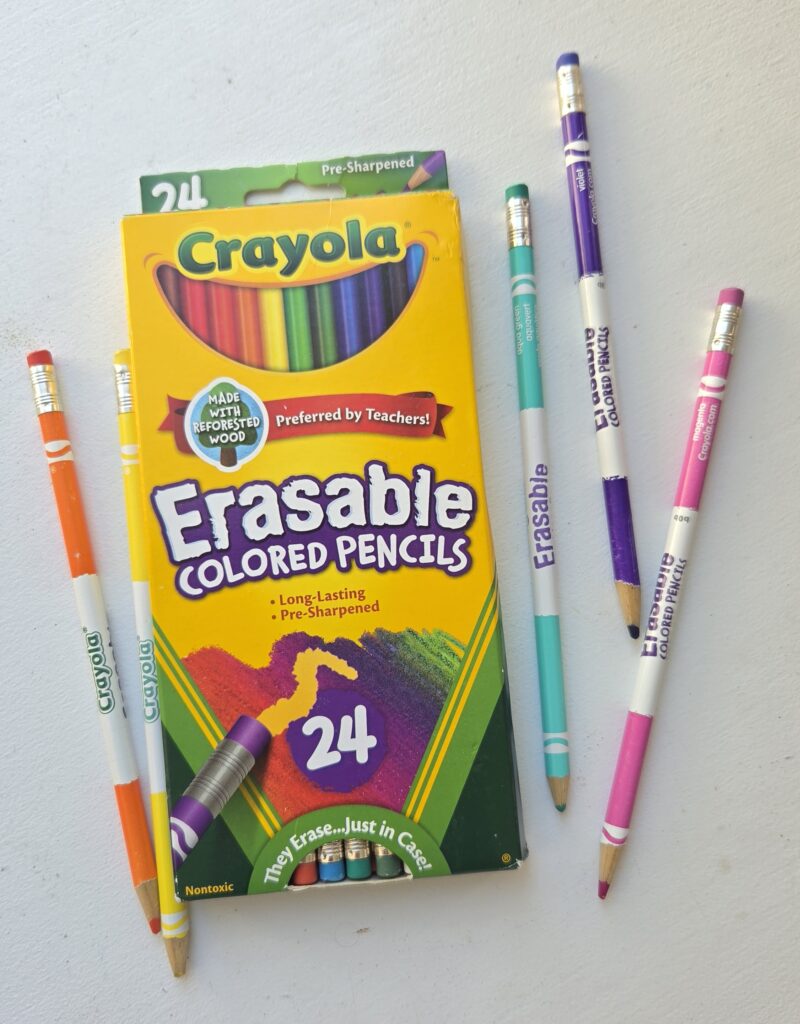
Erasable Colored Pencils – $6
Pencils are obviously a common homeschooling tool. And colored pencils are too but when I found ERASABLE colored pencils many years ago, I fell in love. They are not regular and boring. Colored pencils allow students to be creative and have fun with their school work. But regular colored pencils can’t be erased. Your student will be scratching out every time they make a mistake. Erasable colored pencils give students both creativity and the ability to erase mistakes.
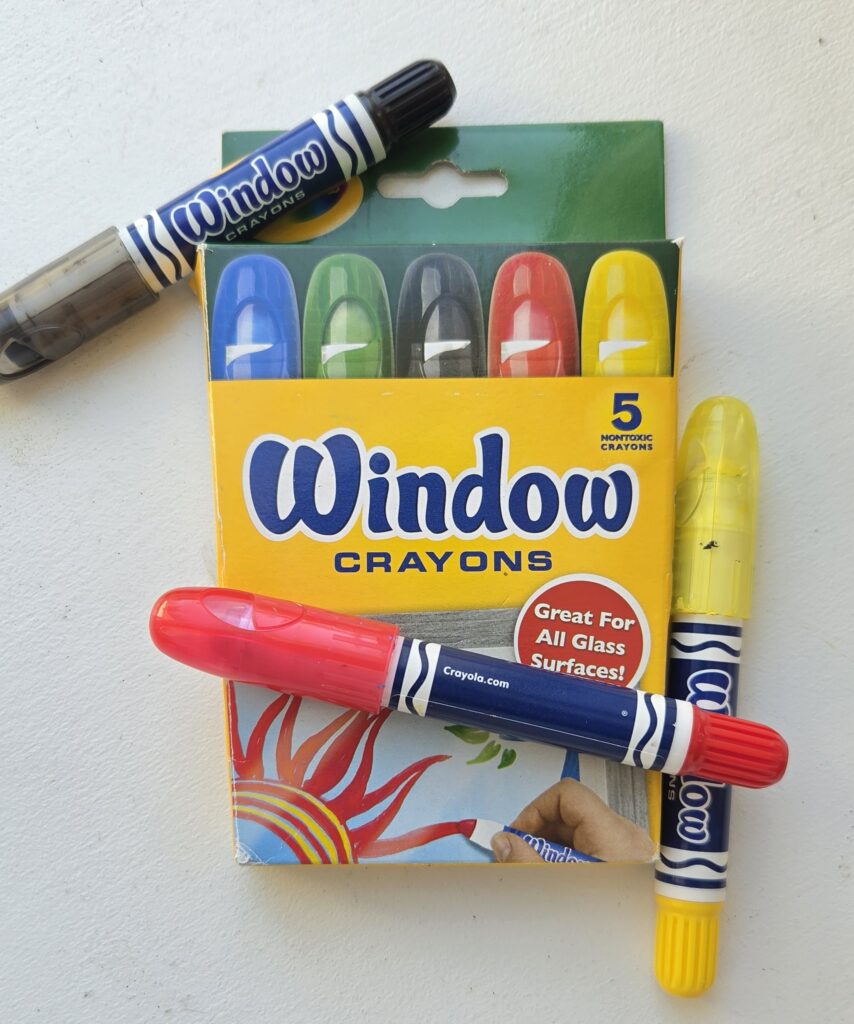
Window Crayons – $9
Window crayons by Crayola are amazing! I use these with my kids from toddlers all the way up to junior high. The only negative about them is that they can’t be wiped off with a towel like dry erase markers. I usually use a baby wipe or window cleaner. But you can’t beat the boldness of color on the window! We use them for screen-free entertainment a lot. Math can be fun and engaging when done on a window with these crayons. We have also done a ton of reading and spelling practice as well as other grammar practice with them on windows.
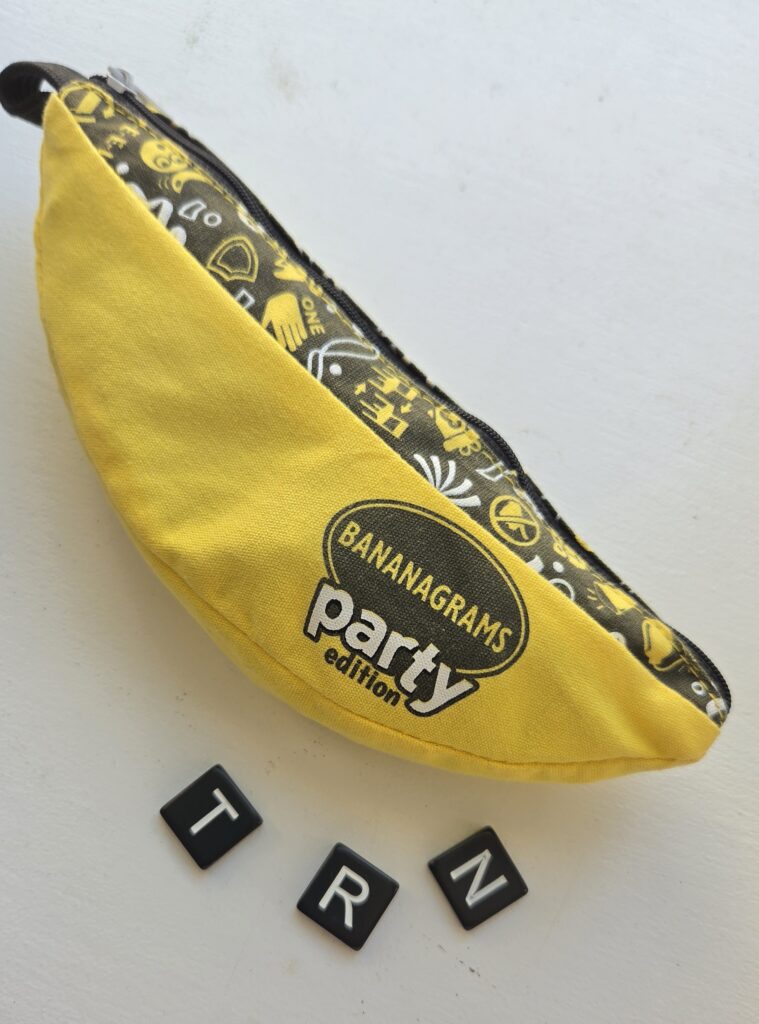
Bananagrams – $14
Bananagrams is a game similar to Scrabble. The game itself is a fun way to expand your vocabulary and spelling. We use the letter tiles for spelling without playing the actual game. Sometimes I put all the tiles out and go through the spelling list. My student has to pick the correct letters for the whole pile and arrange them to correctly spell the word. Other times I put the correct tiles in a plastic easter egg. The student opens the egg and the arranges the letters to correctly spell the word. Using letter tiles instead of writing makes spelling a little more interesting and fun.
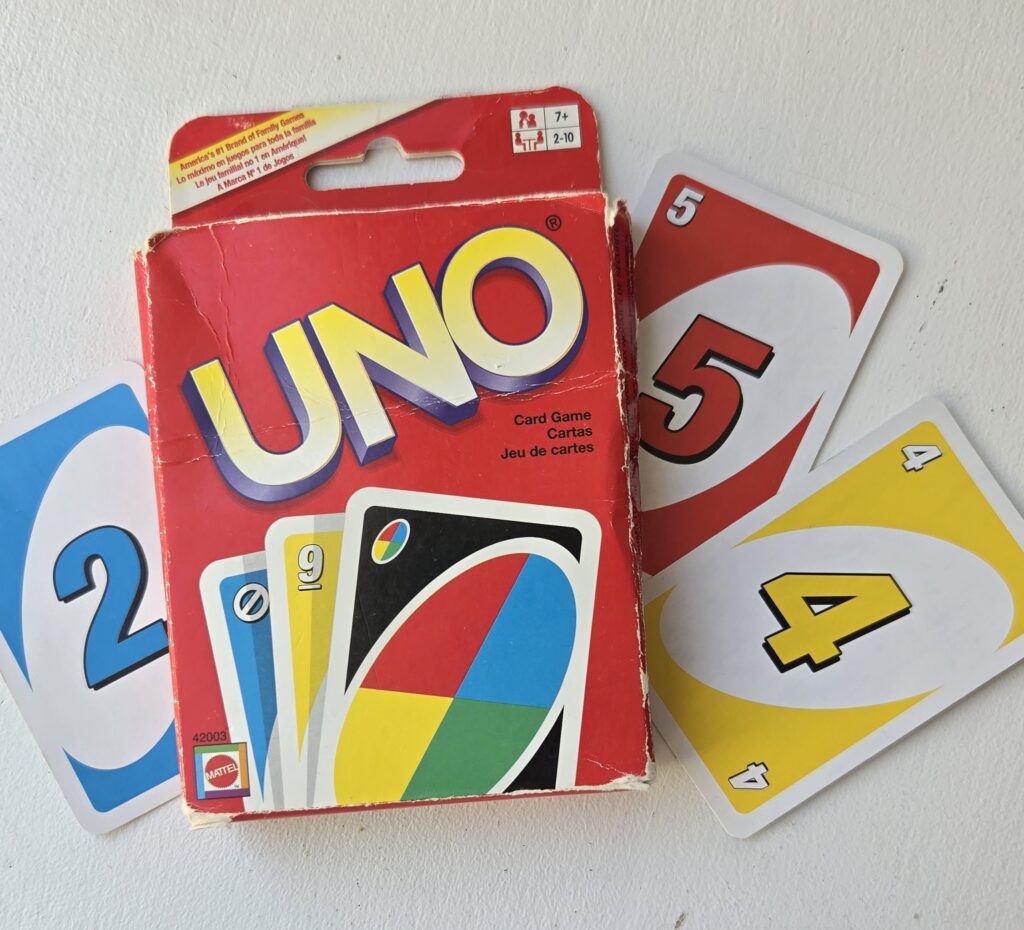
UNO Card Game – <$12
UNO is such a fun game! Now let’s take those cards and the fun and use them for learning basic math! We play a form of memory or match game with UNO cards adding up to 10 or any other number you want. I make sure there are 10-15 sets of cards that add up to 10. Then I lay them out face down. We take turns turning 2 over at a time just like in the game of memory. If the 2 you turn over adds up to 10 it’s a match! We also do a flip 2 activity. You put all the UNO cards into 1 or 2 piles and flip 2 over. Your student can either add, subtract, or multiply them together.
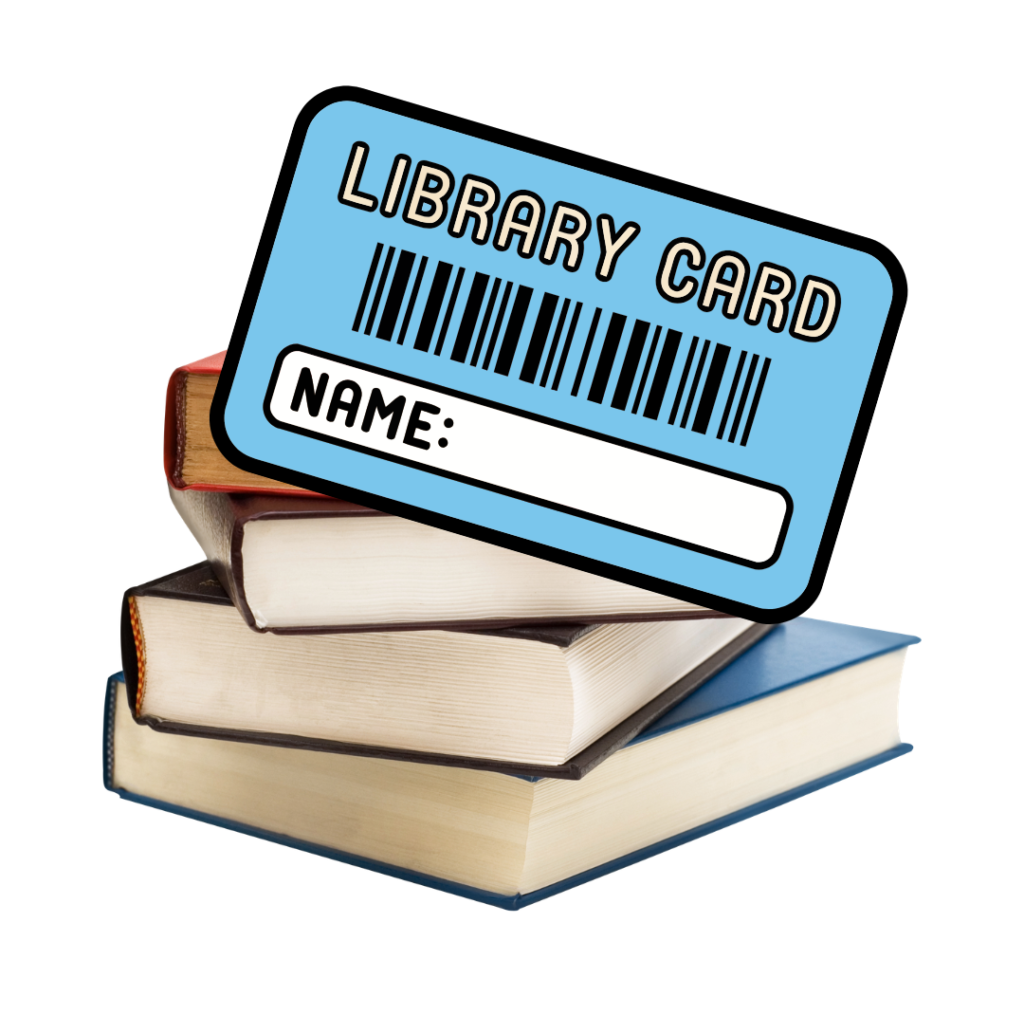
Library Card – $0
You will probably get your biggest bang for your buck with a library card! Most library cards are free and instantly give you access to hundreds of thousands of dollars’ worth of books. You not only get access to the books in your local library, but most libraries are part of much larger group that you can access items from too. In addition to books, you can typically get audio books, music CDs, and documentary/educational DVDs. Did you also know that some libraries have puzzles you can check out? And educational kits like a telescope kit where you can check out a bag that has a telescope and manual?
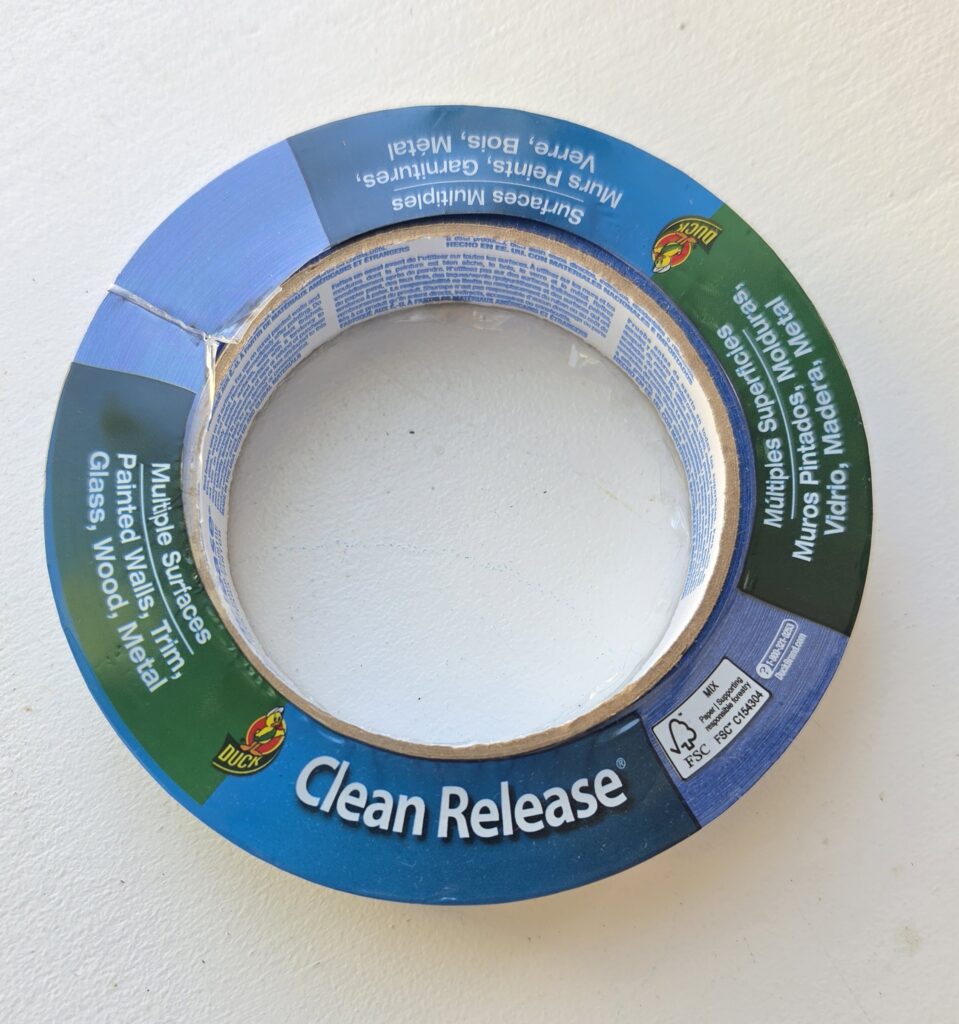
Painter’s Tape – $8
We have gone through so much painter’s tape in our 10+ years of homeschooling. It allows us to temporarily and safely do school activities on our walls or floors. You can take almost any writing, matching, sorting, or drawing activity you would do on a table to the wall with some painter’s tape. It gives your student a different way to do the same work. For example, one year my son was working on alphabetizing. Instead of having my sit and the table and write the words on a piece of paper I had the words already written on strips of paper. I then put painter’s tape on the wall, so the sticky side was out, and he put the words on the tape alphabetically.
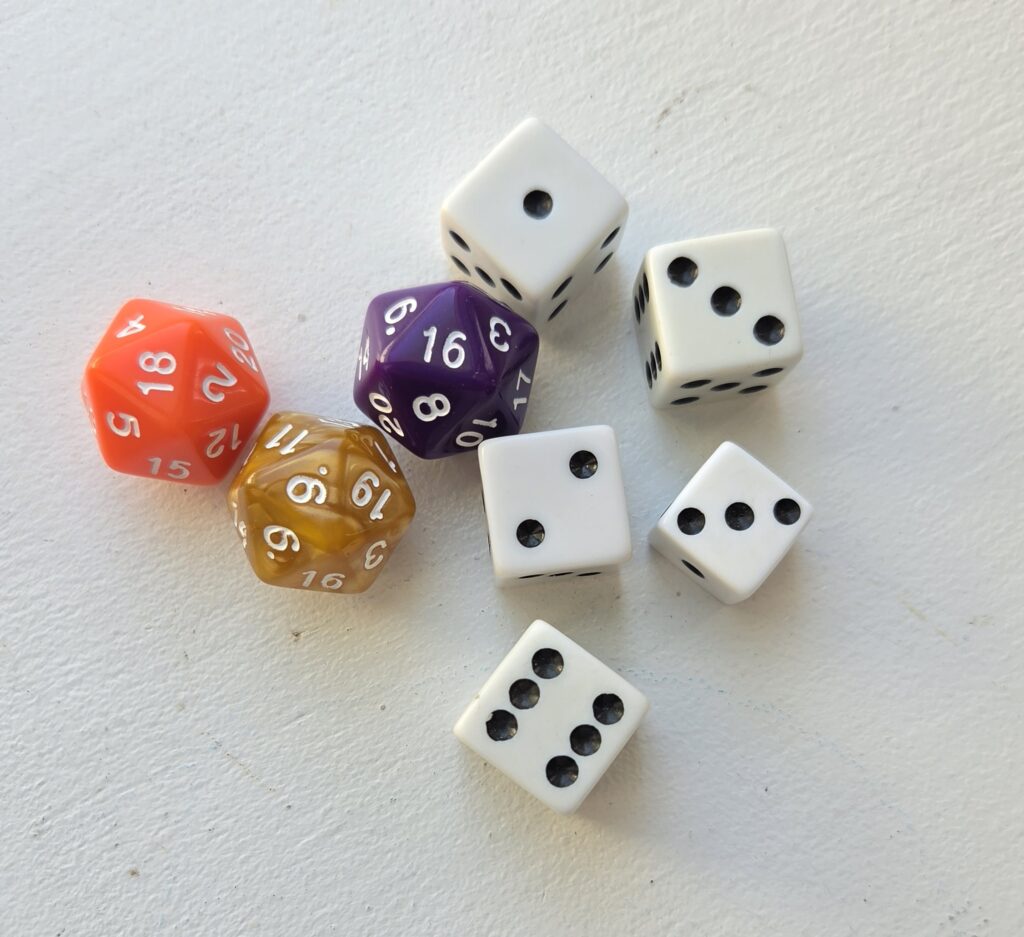
Dice – $6
Dice are pretty typical in a house but having extra ones is helpful. I like to make little board games or buy board games for a variety of subjects to have a fun way to practice new skills. If I have extra dice, then I don’t have to constantly steal the ones from other games. There is also a fun roll and add or multiply game my kids enjoy playing. It’s simple…they roll two dice and then add them together or multiply them. You can also use dice to practice fractions. The student rolls 2 dice and puts those numbers into a fraction. Then they have to reduce the fraction. Or they can do this twice and add the fractions or multiple the fractions.
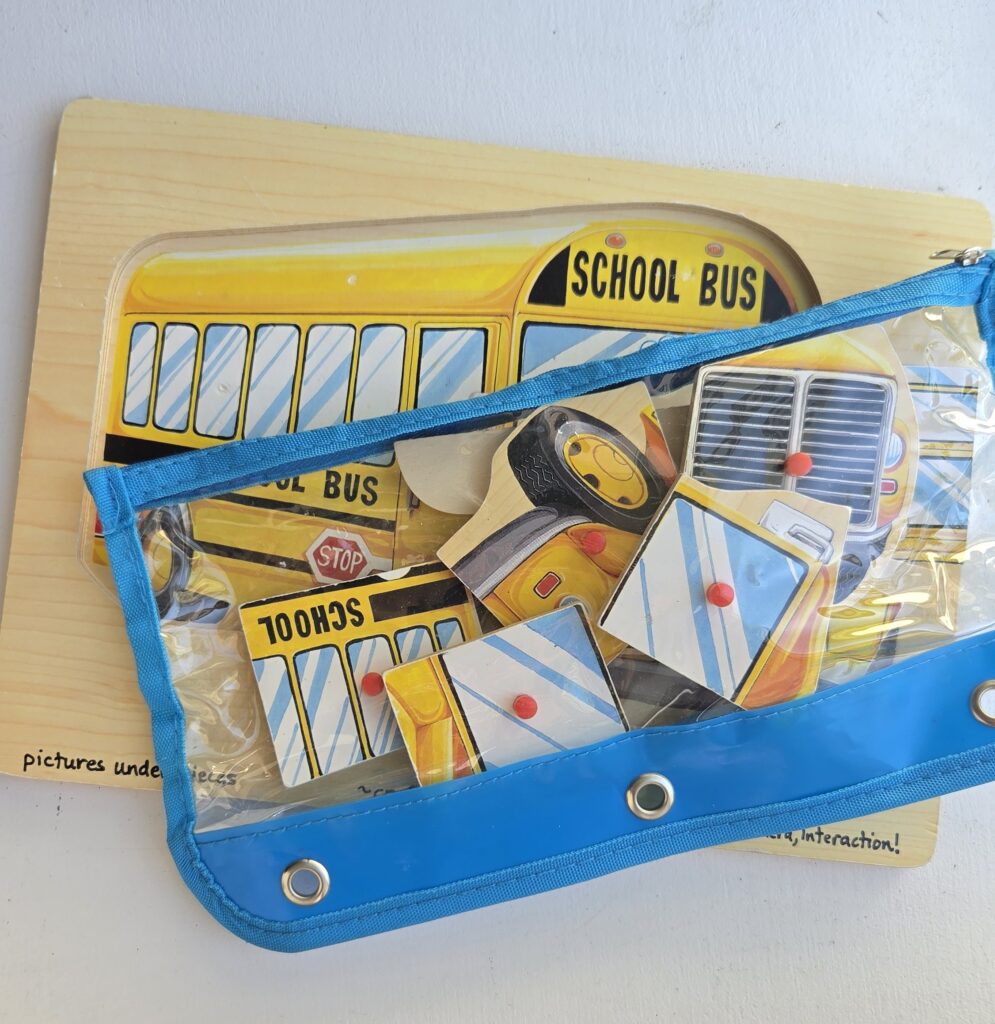
Pencil Bags – <$8
Pencil bags are a very common school supply. But I’m not including them in this list as an item to hold pencils. They are one of my favorite items to help organize games, puzzles, and other toys with several little pieces. They are sturdy, flexible, and easy to zip and unzip making them great for kids to use.
Recap of the 8 Slightly Unusual Items We Use in Our Homeschooling Under $15
These items are fairly typical items to find in a house. My hope with this post is that you see a different way to use them for your homeschool. Maybe you will even begin to look at other items around your house and find ways to use them to make your homeschool even more fun. If you start with these 8 slightly unusual items we use in our homeschooling under $15 you will be well on your way to giving your student a different but fun way to learn.